Best Job Vacancies for Older Professionals: Navigating a Fulfilling Career Path

Introduction
In the modern job market, older professionals are a valuable asset. With years of experience, a wealth of knowledge, and a strong work ethic, they bring a unique perspective to the workplace. This article highlights the best job vacancies for older professionals, focusing on roles that offer flexibility, respect, and the opportunity to leverage their expertise.
Key Takeaways
- Older professionals are highly sought after for their experience and reliability.
- Flexible and remote work options are increasingly available for mature workers.
- Many industries, such as healthcare, finance, and education, offer rewarding opportunities for older professionals.
- Continuing education and professional development can enhance career prospects.
- Networking and leveraging existing contacts are crucial for finding the best job vacancies.
Why Older Professionals Are an Asset
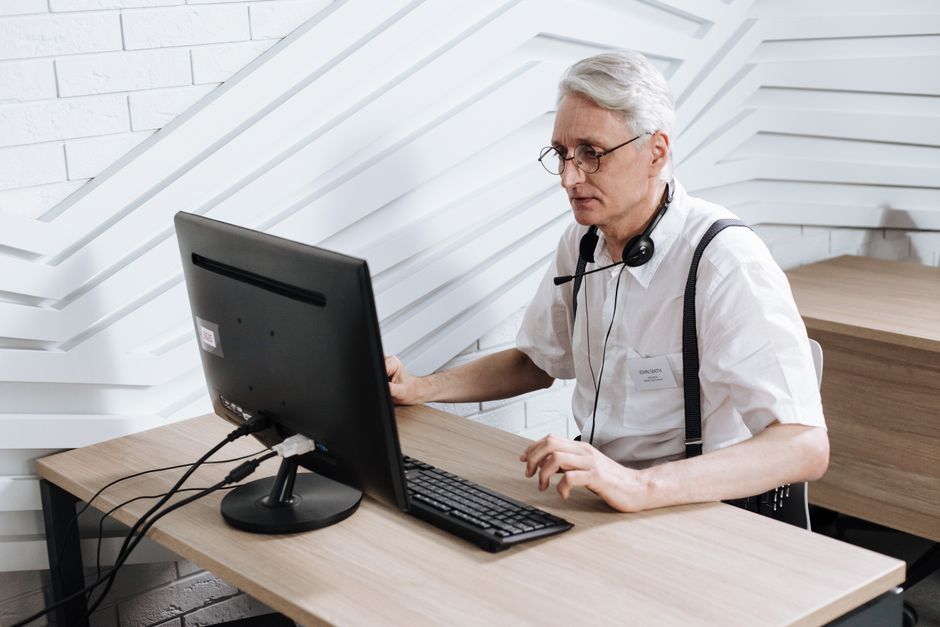
Employers are recognizing the value of older professionals. Their maturity, stability, and deep industry knowledge can significantly benefit organizations. Older workers often have:





- Strong problem-solving skills: Years of experience in various situations equip them to handle complex challenges effectively.
- Excellent communication abilities: They are adept at building relationships and communicating clearly with colleagues and clients.
- Reliability and commitment: Older professionals are typically more stable and less likely to leave a job abruptly.
- Leadership potential: Many have held leadership roles in the past and can mentor younger employees.
Best Industries for Older Professionals
Certain industries are particularly welcoming to older professionals, offering roles that align with their skills and preferences. Here are some top sectors:
Healthcare
The healthcare sector is always in need of experienced professionals. Roles such as:
- Clinical positions: Nurses, physician assistants, and medical technicians benefit from the knowledge and skills of older professionals.
- Administrative roles: Healthcare administrators, medical records managers, and patient coordinators can leverage their organizational and interpersonal skills.
Finance and Accounting
The finance and accounting industries value the precision and expertise of older professionals. Positions include:
- Financial advisors: Helping clients plan for retirement and manage their investments.
- Accountants: Preparing and analyzing financial statements, ensuring compliance with regulations.
- Tax preparers: Assisting individuals and businesses with tax filings and planning.
Education
Education is another field where older professionals can make a significant impact. Opportunities include:
- Teaching: Sharing knowledge and experience with students at various levels.
- Administrative positions: School principals, district administrators, and educational consultants.
- Tutoring and mentoring: Providing one-on-one support to students and helping them achieve academic success.
Flexible and Remote Work Options
Many older professionals prefer roles that offer flexibility and the option to work remotely. These positions can provide a better work-life balance and reduce the stress of commuting. Some popular flexible and remote jobs include:
- Consulting: Offering expert advice in your field without the need for a traditional office setting.
- Writing and editing: Creating content, writing articles, and editing documents from the comfort of your home.
- Customer service: Providing support to customers via phone, email, or chat platforms.
- Virtual assistance: Managing administrative tasks for clients, including scheduling, email management, and data entry.
Comparison Table: Traditional vs. Remote Work for Older Professionals
| Aspect | Traditional Office | Remote Work |
|---|---|---|
| Flexibility | Less flexible hours, need to commute | Flexible hours, work from home |
| Work-life balance | Can be challenging to maintain | Easier to manage personal and professional life |
| Interaction with colleagues | More face-to-face interaction | Primarily virtual communication |
| Technology requirements | Basic computer literacy | Stronger tech skills, reliable internet |
| Travel | Commute to office, occasional business trips | No commute, reduced travel |
Continuing Education and Professional Development
Staying updated with the latest trends and technologies can significantly enhance your career prospects. Consider the following:
- Online courses: Platforms like Coursera, Udemy, and LinkedIn Learning offer a wide range of courses to upgrade your skills.
- Certifications: Obtaining industry-specific certifications can demonstrate your commitment to excellence and open up new job opportunities.
- Workshops and seminars: Participating in workshops and seminars can provide valuable networking opportunities and insights into industry developments.
Networking and Leveraging Existing Contacts
Your professional network is a powerful tool for finding the best job vacancies. Here are some tips:
- Stay active on LinkedIn: Connect with colleagues, join industry groups, and share your expertise.
- Attend industry events: Conferences, seminars, and meetups are great places to meet potential employers and learn about job openings.
- Reach out to former colleagues: They may know of opportunities or be able to provide recommendations.
“The key to a successful career transition later in life is to leverage your existing strengths while being open to new learning opportunities. Networking and staying adaptable are crucial.”, — Career Expert
FAQ
What are the best job opportunities for older professionals?
Top job opportunities for older professionals include roles in healthcare, finance, education, and consulting. These industries value experience and often offer flexible work options.
How can older professionals find remote work?
Older professionals can find remote work by exploring freelancing platforms, joining professional networks, and leveraging their existing contacts. Many companies now offer remote positions to attract experienced talent.
What skills are in high demand for older professionals?
Skills in high demand for older professionals include strong communication, problem-solving, leadership, and technical expertise. Continuing education and professional development can help keep these skills current.
Can older professionals start their own businesses?
Yes, many older professionals successfully start their own businesses. Their extensive experience and network can be significant assets in entrepreneurship. Consider consulting, coaching, or niche product development.
How can older professionals stay competitive in a rapidly changing job market?
To stay competitive, older professionals should focus on continuous learning, adapt to new technologies, and maintain a strong professional network. Being proactive and open to change can open up new career opportunities.
Conclusion
The best job vacancies for older professionals are diverse and rewarding. Whether you’re looking to transition into a new field, find flexible work, or start your own business, there are plenty of opportunities to leverage your experience and skills. By staying informed, networking, and continuously developing your abilities, you can find a fulfilling and meaningful career path.