Introduction
Walking into a job interview can feel like stepping into the unknown. You’ve done the hard work of crafting the perfect resume and cover letter, and now you’re one step closer to landing your dream job. But how do you ensure you’re fully prepared to make the best impression? In this guide, we’ll walk you through the essential steps to prepare for your next job interview, from researching the company to mastering your responses to common questions.
Key Takeaways
- Research the company thoroughly to understand its culture, mission, and values.
- Practice answering common interview questions to boost your confidence.
- Prepare relevant examples of your past experiences to demonstrate your skills.
- Dress appropriately and arrive early to make a positive first impression.
- Follow up with a thank-you note to show your continued interest in the role.
Understanding the Company and Role
Before you can effectively prepare for an interview, you need to have a deep understanding of the company and the role you’re applying for. This isn’t just about memorizing the company’s website; it’s about gaining insights that will help you tailor your responses and show that you’re a good fit.




Research the Company
Start by visiting the company’s website and reading through their ‘About Us’ page. Look for their mission statement, core values, and recent news or press releases. This will give you a sense of the company’s vision and how they position themselves in the market. You can also explore their social media profiles to see what they post about and how they interact with their audience.
Tip: If the company has a blog, read a few recent posts to get a feel for their tone and the topics they care about. This can be particularly useful if you’re applying for a role in marketing or content creation.
Understand the Job Description
Once you have a good grasp of the company, dive into the job description. Highlight the key responsibilities and required skills. Think about how your background and experience align with these requirements. For each key point, jot down specific examples from your past where you demonstrated similar skills or achieved relevant results.
Example: If the job description emphasizes project management, think about a time when you successfully managed a project from start to finish. What were the challenges, and how did you overcome them?
Practicing Your Responses
One of the most effective ways to prepare for an interview is to practice your responses to common questions. This will help you feel more confident and articulate during the actual interview.
Common Interview Questions
Here are some common questions you should be prepared to answer:
- Tell me about yourself.
- Why are you interested in this role?
- What are your strengths and weaknesses?
- Why do you want to work for our company?
- Can you describe a time when you faced a challenge at work and how you handled it?
- Where do you see yourself in five years?
For each question, craft a response that is concise, relevant, and showcases your skills and experiences. Practice these responses out loud, either alone or with a friend. This will help you refine your answers and make them sound more natural.
Behavioral Interview Questions
Behavioral questions are designed to assess how you’ve handled situations in the past, as this is often a good predictor of future behavior. The STAR method (Situation, Task, Action, Result) is a useful framework to structure your responses:
- Situation: Describe the context or situation you were in.
- Task: Explain what you needed to accomplish.
- Action: Detail the steps you took to address the situation.
- Result: Share the outcome and any positive results or lessons learned.
Example: In a previous role, I was part of a team tasked with launching a new product. We faced significant delays due to supply chain issues. To address this, I worked closely with suppliers to find alternative sources and managed the project timeline to ensure we met our launch date. The product was well-received, and we exceeded our initial sales targets.
Preparing Your Appearance and Materials
Your appearance and the materials you bring to the interview can also play a significant role in how you’re perceived.
Dress Appropriately
Dressing professionally is a must, but it’s also important to consider the company’s culture. For a conservative corporate environment, a suit and tie or a professional dress might be appropriate. For a more casual startup, business casual attire might be more suitable. When in doubt, it’s better to err on the side of being slightly overdressed than underdressed.
Bring Necessary Materials
Make sure you have all the necessary materials with you, including:
- Multiple copies of your resume
- A list of references
- Portfolio or work samples (if applicable)
- A notepad and pen for taking notes
- Your ID and any other required documents
Having these items ready will show that you’re organized and prepared.
Arriving Early and Making a Good First Impression
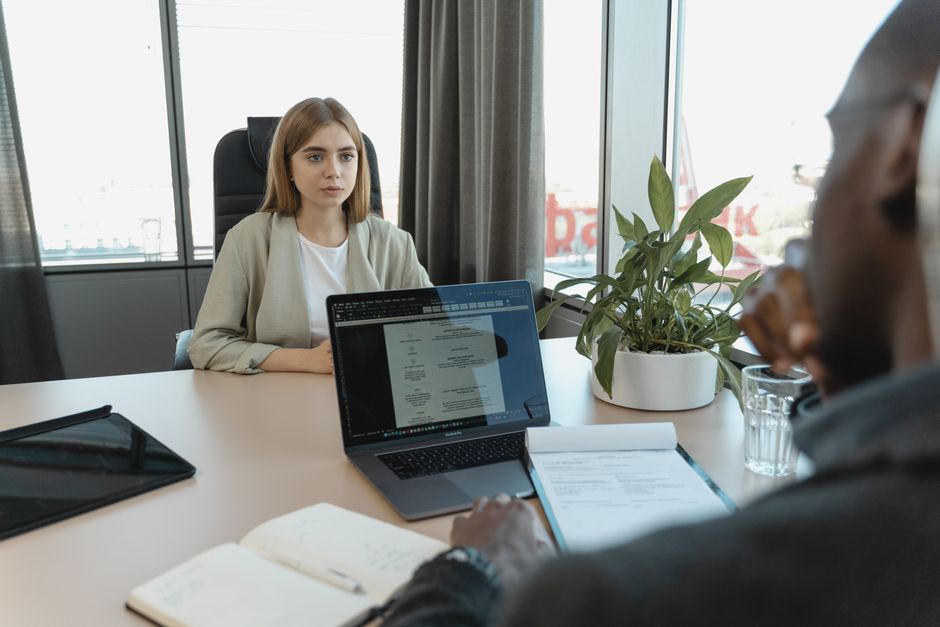
Arriving on time is crucial, but arriving early can give you a significant advantage. Aim to arrive 10-15 minutes before your scheduled interview time. This will give you time to compose yourself, review your notes, and perhaps chat with the receptionist to get a feel for the company culture.
When you meet the interviewer, make eye contact, offer a firm handshake, and smile. These small gestures can make a big difference in how you’re perceived.
Asking the Right Questions
The interview isn’t just about the interviewer asking you questions; it’s also your opportunity to learn more about the company and the role. Prepare a list of thoughtful questions to ask, such as:
- What are the day-to-day responsibilities of this role?
- What are the biggest challenges the team is currently facing?
- How would you describe the company culture?
- What are the opportunities for growth and development within the company?
- What are the next steps in the interview process?
Asking these questions shows that you’re genuinely interested in the role and are thinking about the bigger picture.
Following Up After the Interview
The interview doesn’t end when you leave the room. Following up with a thank-you note is a professional courtesy that can leave a lasting positive impression. Send an email within 24 hours of the interview, thanking the interviewer for their time and reiterating your interest in the role. You can also mention something specific from the conversation to show that you were engaged and attentive.
“I always send a thank-you note after an interview. It’s a small gesture, but it can make a big difference in how you’re perceived. It shows your professionalism and continued interest in the role.” — John Doe, Career Coach
Frequently Asked Questions (FAQ)
How can I reduce my interview anxiety?
Interview anxiety is common, but there are several strategies you can use to manage it. Prepare thoroughly, practice your responses, and take deep breaths to calm your nerves. Visualize a positive outcome and remind yourself of your strengths and accomplishments.
What should I do if I don’t know the answer to a question?
If you’re unsure about a question, it’s okay to take a moment to think before responding. You can also ask for clarification if you need it. If you genuinely don’t know the answer, it’s better to be honest and say, ‘I don’t have a specific example, but I can share how I would approach a similar situation.’
Should I bring a portfolio to the interview?
If you’re applying for a role where you have tangible work products, such as a designer or writer, bringing a portfolio can be a great idea. It provides concrete examples of your skills and can help you stand out from other candidates.
How can I show my enthusiasm for the role?
Enthusiasm is contagious, and showing genuine interest in the role can make a significant impact. Ask thoughtful questions, share why you’re excited about the opportunity, and highlight how you can contribute to the team’s success.
What should I do if I make a mistake during the interview?
If you make a mistake, acknowledge it and move on. You can say something like, ‘I misspoke earlier; I meant to say…’ or ‘I realize that wasn’t the best answer. Let me clarify…’ It’s important to stay composed and professional.
Conclusion
Preparing for a job interview is a multifaceted process that involves thorough research, practice, and attention to detail. By understanding the company and role, practicing your responses, dressing appropriately, and following up professionally, you can increase your chances of success. Remember, the goal of the interview is not just to answer questions but to build a connection and show that you’re the right fit for the role. With the right preparation, you’ll be well-equipped to make a strong impression and take the next step in your career.